01Project 1 · MSc or PhD
Development of an autonomous experiment for critical mineral recovery from spent lithium batteries
Spent lithium-ion batteries are a growing source of lithium, nickel, cobalt and manganese. Finding the leaching and separation conditions that recover these metals cleanly takes hundreds of experiments. This project will build a self-driving laboratory that runs, measures and plans those experiments on its own.
What you will do
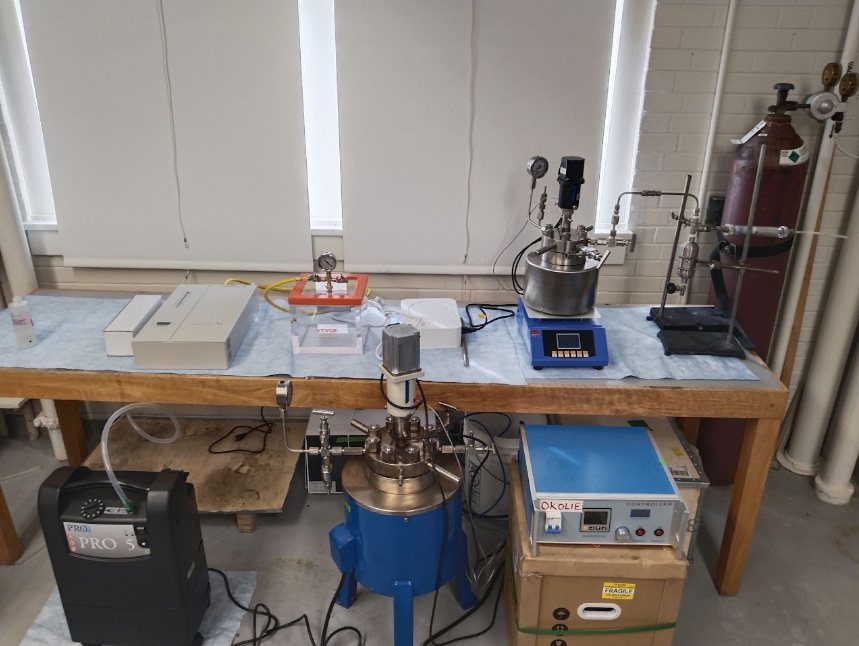
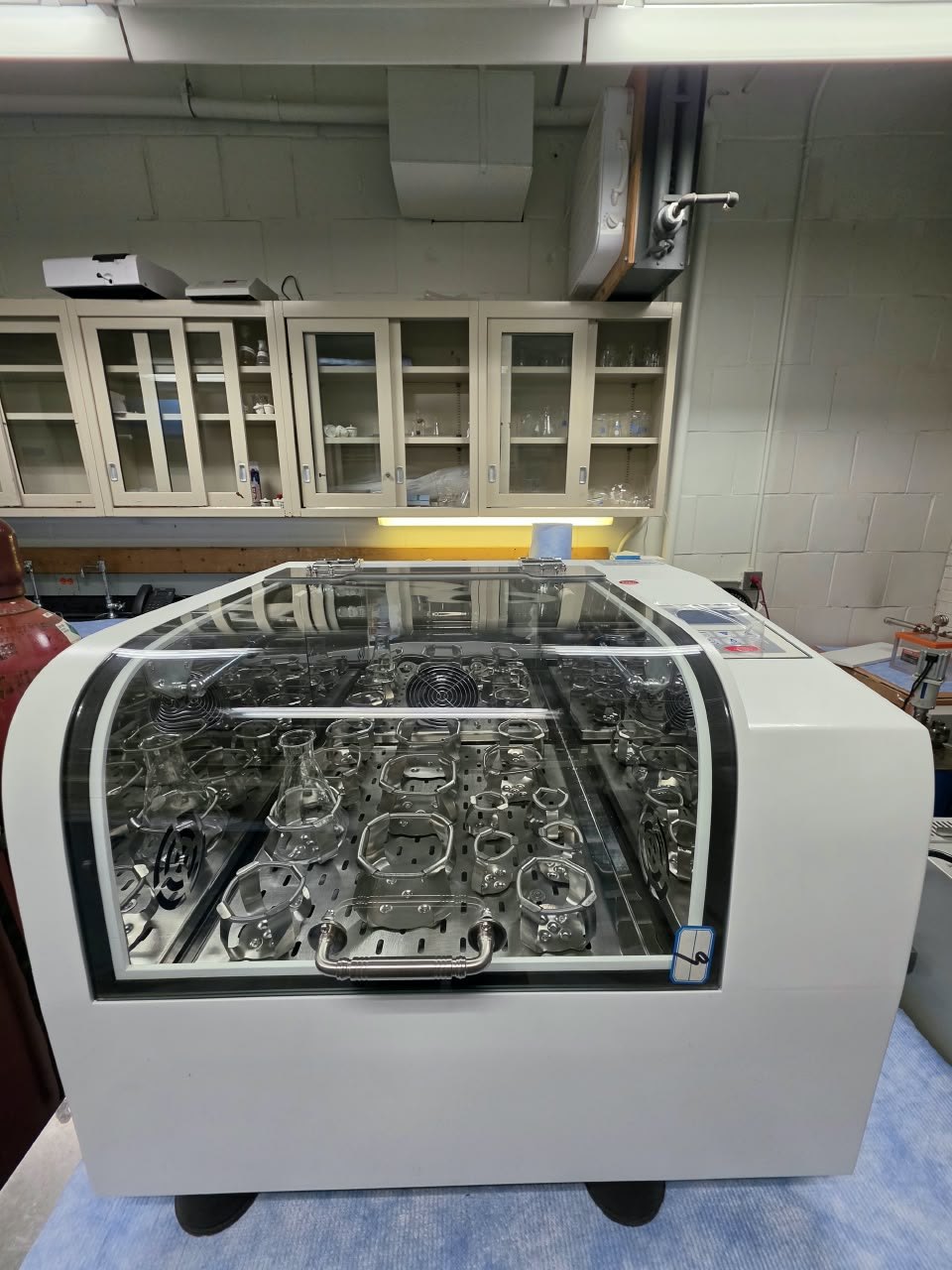
- Design and assemble an automated leaching and separation platform that combines liquid handling, temperature-controlled mixing and in-line measurements.
- Use machine learning and Bayesian optimization so the platform chooses its next experiment from the results it has already measured.
- Screen greener lixiviants, including deep eutectic solvents, for selective recovery of Li, Ni, Co and Mn from battery black mass.
- Link the best conditions to process models, techno-economic analysis and life-cycle assessment.
Skills you will build
HydrometallurgyLab automationPython & MLBayesian optimizationAnalytical chemistryTEA / LCA
Builds on our work
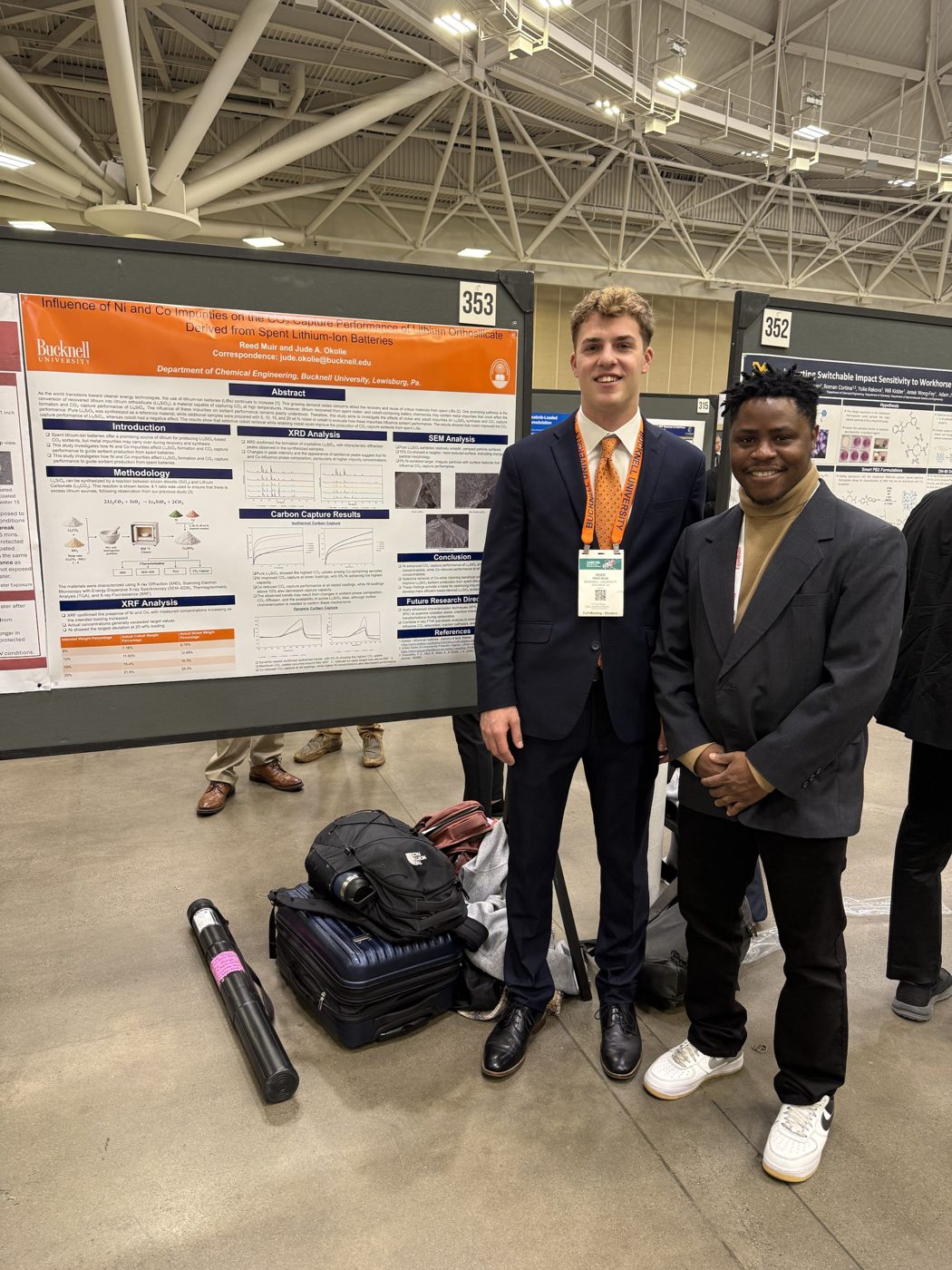
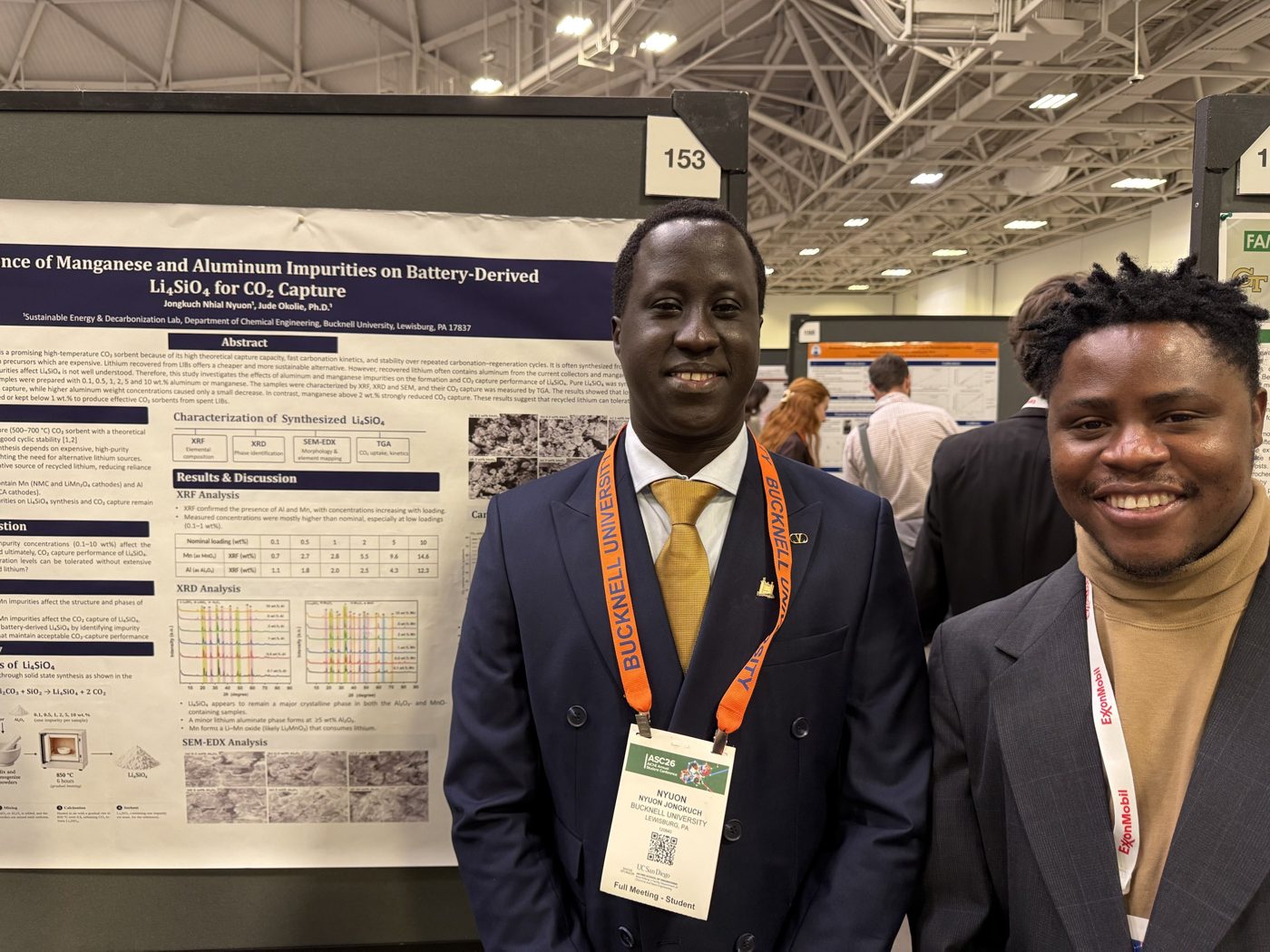
- Cathode delamination influences the CO₂ capture performance of Li₄SiO₄ adsorbents derived from spent lithium-ion batteriesChemical Engineering Journal, 2026 · Read →
- Geo-spatial, techno-economic and life-cycle assessment of spent lithium-ion battery upcycling to CO₂ capture adsorbentProcess Safety and Environmental Protection, 2026 · Read →
- AI-guided design of novel deep eutectic solvents for critical metal recovery from spent lithium-ion batteriesBucknell IDEA Grant, 2026
- Pathways for the recovery of lithium, nickel and cobalt from spent lithium batteriesBucknell College of Engineering grant, 2025